Understanding Event Security
Event security is a vital aspect of any successful occasion, ensuring the safety of attendees and protecting organizational assets. It encompasses a range of professional services tailored to meet the unique needs of various events, from small gatherings to large-scale festivals. As the demand for security grows, it’s essential for event organizers and businesses to partner with reputable security providers who understand the local landscape and can deliver customized solutions. Choosing the right security strategy can greatly enhance your event experience, ensuring peace of mind from start to finish. When exploring options, Event Security services provide comprehensive insights into how to effectively safeguard your event.
What is Event Security?
Event security refers to the specialized services provided to ensure the safety of participants, guests, and property at occasions such as concerts, festivals, corporate events, and private parties. It involves a strategic approach that includes risk assessment, crowd control, access management, and emergency response preparedness. Essentially, the role of event security is to prevent incidents before they occur, manage any that arise promptly, and maintain a safe environment for all involved.
Importance of Professional Security for Events
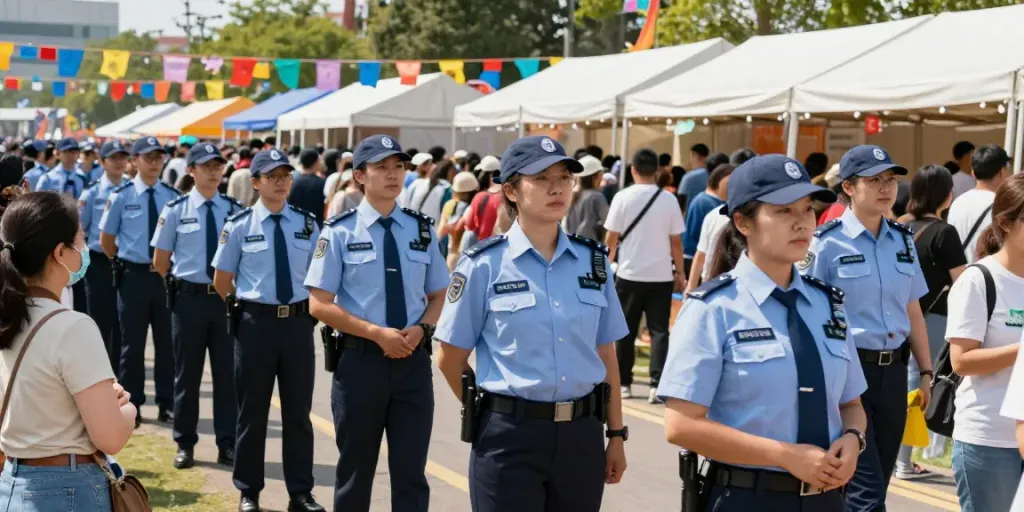
Employing professional security services is crucial for several reasons. Firstly, it guarantees a proactive approach to potential threats, ensuring that both minor disturbances and significant incidents can be handled with expertise. Secondly, a visible security presence can deter unwanted behavior, providing guests with a sense of safety that enhances their enjoyment of the event. Furthermore, effective planning and execution of security protocols can mitigate legal liabilities and contribute to a favorable reputation for the event organizer.
Key Services Offered in Event Security
- Crowd Management: Ensuring that attendees are organized and safe, especially in large gatherings where movement and access can become chaotic.
- Access Control: Monitoring who enters and exits the event, which can involve ticket checks and guest registries.
- Emergency Response: Having trained personnel ready to respond quickly to any medical emergencies or safety threats.
- Surveillance: Utilizing cameras and other technologies to monitor the event and spot potential issues before they escalate.
- Planning and Coordination: Working with local authorities and other stakeholders to ensure all safety standards and regulations are met.
Choosing the Right Local Event Security Provider
Selecting a reliable event security provider is critical for your event's success. It ensures high-quality security services that can adapt to the specific demands of your event. Factors such as experience, licensing, and reputation should be taken into account, as these can significantly impact the effectiveness and professionalism of the security team engaged.
Criteria for Selecting Trusted Security Companies
- Experience: Look for companies that have a proven track record in managing security for events similar to yours.
- Licensing and Insurance: Ensure the provider is legally compliant with all necessary credentials, including SIA licenses and adequate insurance coverage.
- Customer Testimonials and Reviews: Check reviews and ask for references from previous clients to gauge satisfaction levels and reliability.
Questions to Ask Event Security Providers
When approaching potential security companies, it's important to ask pertinent questions that can help you assess their suitability for your event. Consider inquiring about:
- What specific experience do you have in event security?
- Can you provide examples of past events you've serviced?
- What kind of training do your security personnel undergo?
- How do you plan to handle emergencies specific to our event type?
Understanding Security Company Accreditations
Accreditations from recognized bodies can serve as indicators of quality and professionalism in security services. Always check for certifications such as NSI Guarding Gold and SIA Approved Contractor status, which demonstrate adherence to industry standards and practices. These qualifications could be crucial in deciding which security provider to hire for your event.
Event Security Pricing Guide
Understanding the cost associated with hiring event security is essential for budgeting purposes. Prices can vary widely based on the size and type of the event, specific security needs, and the provider’s reputation.
Cost Breakdown for Different Event Types
Here's a general overview of what you might expect to pay for different types of events:
- Small Private Events: Ranges from £300 to £800 depending on the number of guests and services required.
- Corporate Events: Typically between £1,000 to £3,000, depending on the duration and the complexity of security needs.
- Large Festivals or Major Events: Can range from £5,000 to £20,000 or more, factoring in extensive planning and logistics.
Factors Influencing Event Security Costs
Several factors can influence the final pricing of event security services including:
- Size of the Event: Larger events generally require more personnel and resources, increasing costs.
- Location: Events in high-risk areas may require enhanced security measures and can affect pricing.
- Duration: The length of the event will directly impact the overall cost, with longer events requiring more comprehensive staffing.
Budgeting for Event Security Services
To create a realistic budget for event security, you should account for all possible expenses. This includes personnel costs, equipment rentals (like radios and barriers), and any necessary permits or licenses. Additionally, setting aside a contingency fund for unforeseen circumstances can be advantageous.
Regulatory Compliance for Event Security
Compliance with local regulations is critical for event security to ensure legal safety standards are maintained. Understanding these standards can help in effectively planning an event's security measures.
Licensing Requirements for Security Personnel
In the UK, all security personnel must hold various licenses issued by the Security Industry Authority (SIA). This requirement ensures that all individuals working in security roles are adequately trained, vetted, and fit for duty.
Insurance Coverage for Event Security Services
Reputable security companies will have public liability insurance, which protects them, and by extension, the event organizers, against claims resulting from injuries or losses during the event. Always verify that your security provider is insured against potential risks to protect your interests.
Health & Safety Standards in Event Security
Adhering to health and safety standards is paramount in event security. This includes understanding crowd dynamics, preventing overcrowding, and being prepared for possible emergencies. Training in first aid and emergency response should be standard for all security personnel managing an event.
Customer Reviews and Testimonials
The importance of customer feedback cannot be underestimated when choosing security services. Real-life experiences shared by previous clients can provide invaluable insights into a company's reliability and effectiveness.
Importance of Customer Feedback in Choosing Security
Testimonials can reflect the quality of service and the level of satisfaction experienced by past clients. Looking through reviews on trusted platforms can give you an objective perspective on how a security provider operates.
Real-Life Experience Sharing: Success Stories
Engaging with past clients and understanding their experiences can help you envision what to expect. Security companies that showcase successful case studies can particularly benefit from exhibiting their problem-solving capabilities.
Building a Trusted Relationship with Security Providers
Building a strong rapport with your security provider fosters transparency and effective communication. For more information, Event Security offers valuable insights. Establishing trust can lead to better cooperation and outcomes during your event, enhancing overall security and management.